






Dartmouth Park Hill bulky rubbish removal for terraces
Posted on 12/10/2026
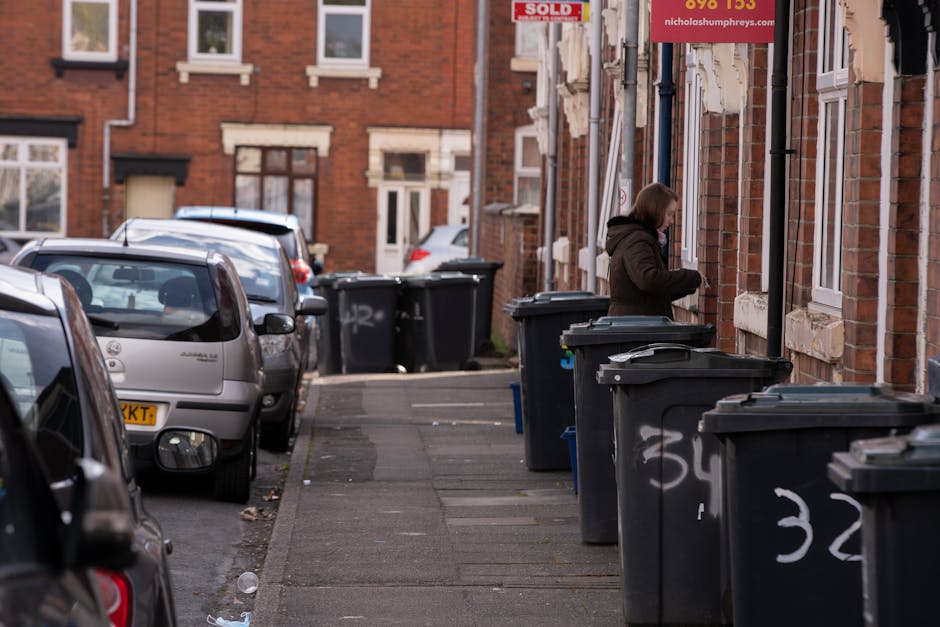
Dartmouth Park Hill bulky rubbish removal for terraces: a practical guide for tight-access homes
If you live in a terrace near Dartmouth Park Hill, you already know the story: the hall is narrow, the stairs are awkward, the pavement is busy, and that old wardrobe or broken sofa seems to have grown another six inches overnight. Dartmouth Park Hill bulky rubbish removal for terraces is not just about getting rid of unwanted items. It is about doing it safely, without blocking neighbours, damaging walls, or turning a simple clear-out into a full-day headache.
This guide explains how terrace removals work, what makes them tricky in this part of North London, and how to plan a collection that is tidy, efficient, and fair on your time. You will also find a checklist, a realistic comparison of removal options, and a few expert tips that save a surprising amount of hassle. Let's face it, nobody enjoys wrestling a three-seater down a hallway at an angle that should not be possible.
Why Dartmouth Park Hill bulky rubbish removal for terraces Matters
Terraced homes bring charm, character, and a very specific set of space problems. In and around Dartmouth Park Hill, many properties have restricted front access, narrow internal stairs, shared entrances, or front gardens that are more decorative than practical. That makes bulky rubbish removal very different from simply putting bags out on collection day.
Bulky waste is anything too large, heavy, awkward, or unsafe to leave with normal household rubbish. Think sofas, mattresses, wardrobes, broken appliances, old desks, bed frames, and renovation offcuts that are too large for standard bins. In a terrace, the real challenge is often not the item itself. It is the route out. A chair might fit through one doorway but catch on the banister at the turn. A fridge might be easy to carry outside but impossible to manoeuvre safely down a tight stairwell without scraping walls.
That is why a proper removal plan matters. It protects the property, keeps the shared pavement clear, and reduces the risk of injury. It also helps avoid the common "we'll just deal with it later" pile-up, which, truth be told, only gets more awkward as the week goes on. If you have ever stared at a dismantled wardrobe in the hallway and sighed, you are not alone.
A good local service should understand terrace logistics, neighbourly considerations, and the practical rhythm of North London streets. For broader service information, you may also want to look at the services overview and the main rubbish removal in Tufnell Park page.
How Dartmouth Park Hill bulky rubbish removal for terraces Works
In practice, terrace-based bulky waste removal follows a fairly simple pattern, though the details matter more than people expect. The process usually starts with an assessment of what needs to go, how much there is, and whether anything needs to be dismantled first. A good provider will want to know if the items are upstairs, in a loft, tucked into a basement, or already at the front of the property.
From there, the collection team plans the safest route out. That could mean lifting furniture around a bend, carrying items in shorter sections, or breaking down bulky pieces before moving them. This is where experience counts. A narrow hallway can turn a five-minute job into a very awkward one if the team arrives unprepared. The better operators think ahead, and they do it quietly, without drama.
Once removed, the items are loaded for transport and sorted for reuse, recycling, or disposal. In line with standard UK waste practice, the aim is to keep reusable materials out of landfill where possible. If you are interested in the environmental side of the process, the page on recycling and sustainability gives useful context.
For terraces, timing also matters. Collections are often easier when access is planned around parking, school runs, and neighbours using the street. Early mornings can be calmer. Mid-afternoon can be trickier. You know the sort of thing: one delivery van, one pruning job, one resident trying to reverse into a space. The street can fill up quickly.
Key Benefits and Practical Advantages
There are several reasons terrace owners and tenants prefer a dedicated bulky rubbish removal service rather than trying to improvise.
- Less physical strain: Heavy lifting is where most avoidable problems start. A professional approach reduces the chance of back strain, broken handrails, and the classic "why did we try this ourselves?" moment.
- Better protection for the property: Tight doorways and narrow stairs are easy to damage. Careful removal protects paintwork, plaster, bannisters, and floors.
- Faster clearance: What might take you an entire weekend can often be handled in one planned visit.
- Cleaner finish: Good crews do not just drag things out and leave. They tend to tidy the route and clear debris that falls during dismantling.
- More flexible than council-only options: If you have multiple large items, mixed materials, or an urgent deadline, a bespoke pickup can be much more practical.
- Better recycling outcomes: Items are often sorted more carefully when they are removed by a team used to handling mixed bulky waste.
There is also a small but real psychological benefit. Once the bulky items are gone, a terrace can feel bigger, lighter, and far less cluttered. That old chest of drawers in the hallway stops nagging at you every time you pass it. Small thing, maybe. But it matters.
Who This Is For and When It Makes Sense
Not every item needs a special collection, but terrace households often reach a point where bulky rubbish removal becomes the sensible choice. If you are clearing out after a tenancy change, replacing furniture, preparing for decorating, or simply reclaiming space, this kind of service is usually the least stressful route.
It makes particular sense if you have:
- large furniture that will not fit in a normal car
- items that are too heavy for one person to move safely
- multiple bulky objects in different rooms
- shared access that needs to be kept tidy and unobstructed
- a tight deadline before a move-out, sale, or contractor visit
For landlords and managing agents, terrace clearances are especially useful between tenancies. A property might need a quick turnaround after tenants leave behind a sofa, mattress, or broken appliances. Homeowners preparing for renovation also benefit, because builders work much better when the space is already clear. No mystery there.
If your project goes beyond a few bulky items and starts looking like a full property clear-out, the house clearance service may be a more suitable fit. For smaller outdoor jobs, the garden waste removal page is also worth a look.
Step-by-Step Guidance
If you want the removal to go smoothly, a little preparation makes a big difference. Here is a sensible step-by-step approach that works well for terraces.
- Walk through the property first. Check every room, landing, loft hatch, and basement step. Note anything awkward, heavy, or fragile.
- Separate what is going and what is staying. This sounds obvious, but it is easy to get a "keep" item swept into the chaos. A label or coloured tape can help.
- Measure the large items and the tightest gaps. Door widths, stair corners, and hallway turns matter more than the total size of the object.
- Clear a route. Move shoes, plant pots, bikes, recycling boxes, and anything else that could snag feet or block the path.
- Disassemble where practical. Remove legs, cushions, drawers, doors, and shelves if that makes the item easier to handle. Keep screws and fittings in a bag.
- Check for hazardous contents. Empty fridges, freezers, paint tins, gas canisters, batteries, and similar items may need special handling.
- Confirm access details in advance. Make a note of parking restrictions, entry codes, basement access, or shared hall arrangements.
- Book the right service. Choose a provider experienced with terrace access and mixed bulky waste.
Small practical tip: take a quick phone photo of the items before collection. It helps avoid confusion, especially if a few items look similar. A photo also speeds up quoting in many cases. Useful little thing, that.
Expert Tips for Better Results
After enough terrace clearances, certain patterns become obvious. A few simple choices can make the whole job easier and cheaper.
1) Put the heaviest item nearest the exit, if you can do it safely
If a sofa, mattress, or wardrobe is already near the front room or hallway, the crew can work much faster. But do not force awkward lifting just to save time. Safety first. Always.
2) Combine bulky items into one visit
If you are getting rid of one broken bed this week and a wardrobe next week, you may end up paying twice for access and labour. It is usually better to gather everything that is ready and do one organised collection.
3) Think about the neighbours
Terraces are close-knit by nature. A quick heads-up to the neighbour next door can be helpful if access may be temporarily busy. It avoids the "what on earth is happening?" look through the curtain at 8:15 in the morning.
4) Keep fragile surfaces protected
Blankets, cardboard, and door-frame guards can save walls from scrapes, especially on older properties with tight corners. A professional team will usually bring suitable kit, but it does no harm to ask.
5) Don't assume everything can go together
Mixed waste can include reusable furniture, recyclable metal, and items that need separate handling. The more accurate your description, the better the route planning and disposal outcome.
For related clearance work, the builders waste disposal page can be helpful after renovations, and the waste clearance service covers broader mixed loads.
Common Mistakes to Avoid
Most terrace removal problems are predictable. That is the good news. The bad news is that they are still very easy to make in a hurry.
- Leaving the booking too late: If you wait until the day before a move or decorator start date, you lose flexibility and may have fewer collection windows.
- Underestimating access issues: A narrow staircase, low ceiling, or tight turn can matter more than the size of the furniture itself.
- Forgetting about parking and loading space: A terrace street can be busy, and a vehicle may need room close to the property.
- Mixing useful items with waste: Once everything is in a pile, it becomes surprisingly easy to throw out something you meant to keep.
- Ignoring hazardous materials: Batteries, electricals, chemicals, and gas-related items need proper handling.
- Choosing purely on price: The cheapest option is not always the best if access is tricky or the provider lacks the right insurance.
That last one is worth underlining. If removal involves tight stairs, shared access, or older fittings, a competent team is worth a little extra. It saves damage, time, and stress. Sometimes the cheap choice is the expensive one in disguise.
Tools, Resources and Recommendations
You do not need a shed full of specialist equipment to prepare for bulky rubbish removal, but a few basic tools help more than people expect.
- Screwdriver set: useful for removing legs, doors, shelves, and fittings.
- Strong gloves: especially if you are moving broken wood, rusty metal, or dusty loft items.
- Furniture blankets or old sheets: good for protecting bannisters and corners.
- Heavy-duty tape and marker pens: ideal for labelling keep, donate, and remove piles.
- Measuring tape: essential for awkward hallways and staircase turns.
- Rope or straps: helpful if anything must be safely bundled or stabilised.
As a practical recommendation, make a quick room-by-room list before collection day. It keeps things calm. Seriously, even a handwritten note on the back of an envelope can stop a lot of confusion.
If you want a wider view of the company background before booking, the about us page and the pricing and quotes page may help you compare expectations and next steps. For those concerned about handling and service standards, the insurance and safety page is also relevant.
Law, Compliance, Standards, or Best Practice
Bulky rubbish removal is not just a convenience issue. In the UK, waste should be handled responsibly, and anyone removing it should take care that it is transferred, carried, and disposed of in line with accepted waste management practice. For householders, the main practical point is simple: do not leave waste to an unverified operator, and do not assume every disposal method is appropriate for every item.
For terrace properties, best practice also includes keeping pavements clear, minimising disruption to neighbours, and protecting shared access. If items are left on the street, even briefly, make sure the arrangement is sensible and does not create a trip hazard or block entry. That may sound obvious, but on narrow residential roads, obvious things are often the first to be overlooked.
A reputable service should be able to explain how it handles sorting, recycling, and safe lifting. It should also communicate clearly about what it can and cannot remove. Electrical items, mattresses, plasterboard, fridges, and mixed renovation waste may all need slightly different handling. If the provider sounds vague, that is a small warning sign. Not a huge red flag, just enough to pay attention.
For wider business standards and company commitments, you can also review the site's terms and conditions and privacy policy. If ethical sourcing and labour standards matter to you, the modern slavery statement is available as well.
Options, Methods, or Comparison Table
There are a few ways to deal with bulky rubbish in a terrace. The best one depends on access, volume, timing, and how much lifting you want to do yourself.
| Method | Best for | Pros | Limitations |
|---|---|---|---|
| Self-removal | Very small loads and easy access | Low direct cost, flexible timing | Heavy lifting, vehicle needed, time-consuming, awkward for terraces |
| Council bulky waste collection | Residents who can wait and have a simple load | Structured and familiar | Less flexible, item limits may apply, access and timing can be restrictive |
| Professional bulky rubbish removal | Terraces, tight access, mixed items, urgent jobs | Fast, less lifting for you, tailored to difficult access | Usually costs more than doing it yourself |
For terrace homes, the professional option often wins because access is the real bottleneck. Not the waste itself. If your main problem is a narrow staircase and no easy place to park, then a service designed for local clearances is usually the calmest route.
Case Study or Real-World Example
Here is a realistic example based on the kind of job terrace households often face.
A family in a two-storey terrace near Dartmouth Park Hill had replaced a worn sofa, a broken chest of drawers, and an old mattress. On paper, it sounded straightforward. In reality, the hallway was narrow, the first-floor landing turned sharply, and the front path was already cluttered with planters and bikes. They had originally planned to move everything themselves over a weekend.
Once they measured the staircase and looked at the corner turn, they realised the sofa would be a serious struggle. Instead of forcing it, they cleared the route, separated the reusable cushions and small items, and booked a collection with access details noted in advance. The team arrived, checked the stairwell, removed the necessary furniture parts, and loaded the items without dragging them across the floor. The whole thing stayed calm. No chipped plaster, no loud argument over the banister, no sudden realisation that the mattress would not fit through the doorway at all.
The takeaway is simple: the planning made the job look easy. It usually does. The hard work is often in the prep, not the carrying.

Practical Checklist
Use this checklist before your collection. It helps more than you might think.
- List every bulky item to be removed
- Confirm what stays and what goes
- Measure the widest and tightest access points
- Clear hallways, steps, and entrances
- Remove loose shelves, drawers, cushions, and fittings where safe
- Check for batteries, liquids, and other special items
- Note parking restrictions or access codes
- Protect walls, floors, and bannisters if needed
- Tell neighbours if access may be briefly busy
- Take a photo of the items for reference
- Confirm the collection time and any arrival window
- Set aside anything you want to donate or reuse
Quick summary: if you measure first, clear the route, and be honest about the awkward bits, bulky rubbish removal in a terrace becomes far more manageable. That is the whole game, really.
Get a free quote today and see how much you can save.
Conclusion
Dartmouth Park Hill bulky rubbish removal for terraces is all about practical planning, safe handling, and working with the realities of terrace living. Narrow stairs, shared pavements, and awkward corners are not problems to ignore; they are the things that shape the whole job. Once you account for them, everything gets easier.
The best results come from clear communication, a sensible collection plan, and a provider that understands how London terraces actually work in real life. If you are clearing one item or a full room's worth, a little preparation goes a long way. And when the last bulky piece is gone, the house usually feels better straight away. A bit lighter. A bit calmer. Rather nice, actually.


 Tipper Van - Waste Collection and Rubbish Removal Prices in Tufnell Park, N7
 Luton Van - Waste Collection and Rubbish Removal Prices in Tufnell Park, N7